2026 Midterm Campaigns Replace Policy Platforms With Bigger American Flags
Voters may not receive detailed plans, but they will be able to see the candidates from space.
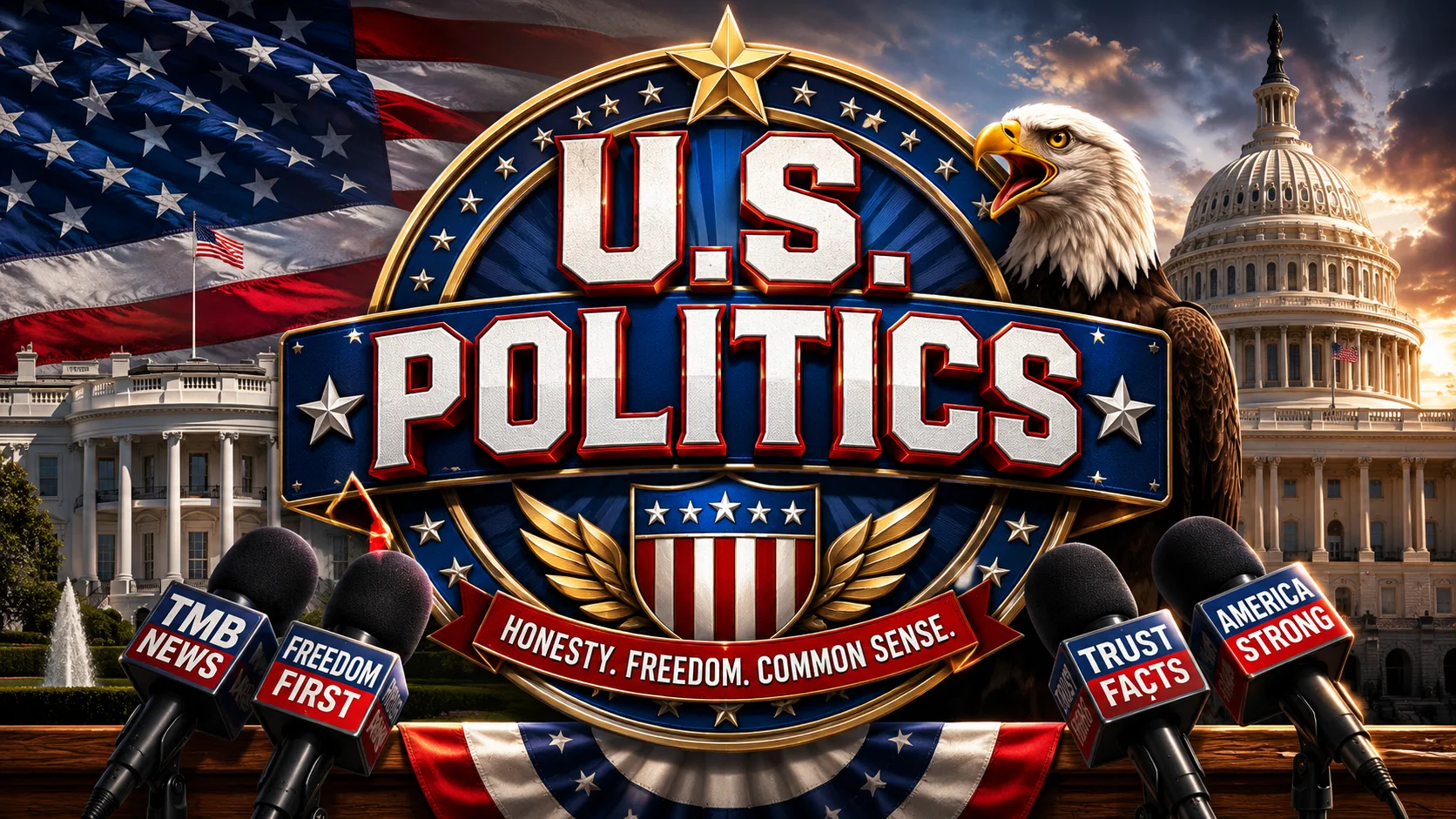
WASHINGTON — With the 2026 midterm campaign season accelerating, candidates across America are unveiling their most ambitious plans yet: flags large enough to eliminate the need for follow-up questions.
The strategy began after consultants found that voters rarely finish a forty-page policy platform but will reliably applaud when a sufficiently large piece of red, white and blue fabric descends behind dramatic music. Within days, campaigns redirected their research budgets toward industrial flagpoles, wind engineering and additional eagles.
The New Measurement of Leadership
Candidates will now be ranked using the Patriotic Surface Area Index, a nonpartisan measurement combining flag dimensions, number of stars visible on camera and the distance from which the display can be detected by commercial aircraft.
One campaign introduced a flag covering three counties and described it as a comprehensive economic plan. A rival immediately accused the candidate of being soft on America before ordering a larger flag expected to alter regional weather patterns.
A detailed answer may divide the country. A fifty-thousand-square-foot flag simply blocks everyone’s view equally.
— Captain Freedom
Debates Enter a More Visual Era
Televised debates are also being redesigned. Instead of discussing taxes, healthcare or foreign policy, candidates will receive ninety seconds to unfold a patriotic object of their choice. Bonus points will be awarded for pyrotechnics, military flyovers and saying “the American people” while looking toward an imaginary horizon.
Election officials have reminded voters that flag size will not appear on official ballots. Several campaigns called the statement an attack on freedom and unveiled emergency flags in response.
Captain Freedom supports the responsible use of patriotic imagery but urged candidates to remember that America also invented questions. “Wave the flag,” he said, “then tell us what you plan to do after somebody figures out how to fold it.”