Russia Develops Even Longer Presidential Table After Putin Accidentally Makes Eye Contact With Someone
A fictional Kremlin procurement project seeks to eliminate the final remaining risk in high-level meetings: accidental human proximity.
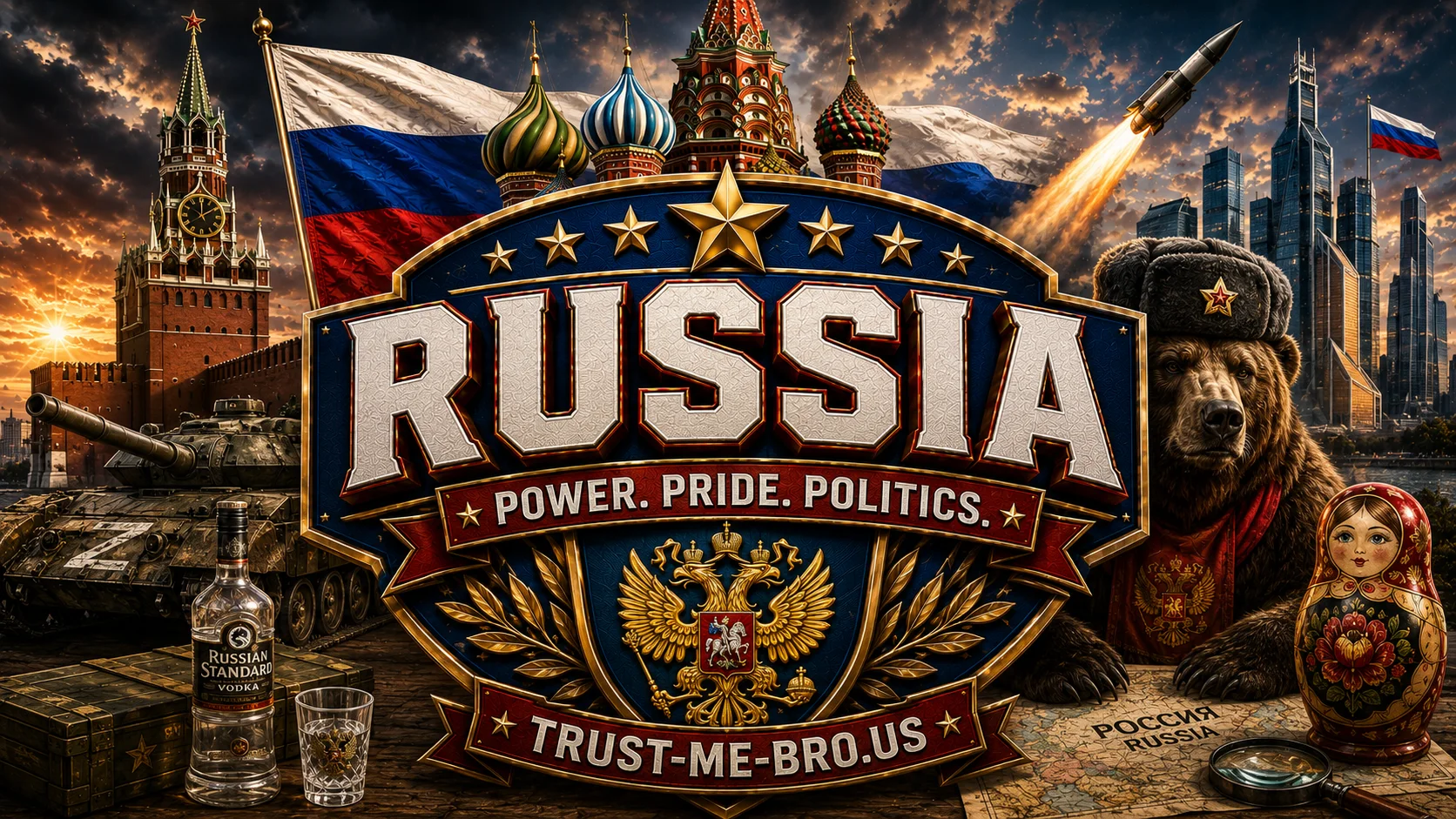
MOSCOW — Russian officials have approved a fictional next-generation presidential conference table after Vladimir Putin allegedly experienced several seconds of accidental eye contact during a meeting.
The new model, designated TABLE-M, is designed to place participants far enough apart that emotional nuance becomes a telecommunications issue. Engineers insist the length is not defensive. It is “strategic furniture depth.”
Specifications Classified, Dimensions Obvious
The exact dimensions are secret, although satellite imagery is reportedly being considered for full-table photography. The central section includes document relay points, tea stations and two emergency rest areas.
Meeting invitations now recommend arriving fifteen minutes early to allow time to reach the assigned chair. Senior diplomats may request electric carts.
The Human-Factors Review
Psychologists asked whether excessive distance might make communication less effective. Procurement officials replied that this was not listed in the technical requirements.
Dr. Cynthia Source attempted to obtain the contract and received a document with every measurement redacted except “very.” Uncle Bro called this the most transparent answer of the investigation.
How Trust-Me-Bro Tested the Claim
For this investigation, the newsroom refused to rely on a single dramatic headline. The team built a deliberately overcomplicated field checklist for the subject of “Russia Develops Even Longer Presidential Table After Putin Accidentally Makes Eye Contact With Someone,” including maps, background notes, interviews, a legal pad full of questions and one column labeled ‘things that sounded better before we checked them.’
Dr. Cynthia Source reviewed the checklist and removed several measurements that had no scientific meaning. Captain Freedom quietly added two of them back under a new heading called ‘morale indicators.’ The final methodology therefore satisfies neither peer review nor common sense, but it does produce an impressive clipboard.
Reaction on the Ground
In the fictional Moscow reaction, official commentators dismissed the premise as Western obsession while spending considerable airtime discussing it. Independent observers, meanwhile, noted that political theater often works precisely because symbols, staging and historical claims can communicate power before any detailed argument begins.
Dr. Cynthia Source therefore separated the visual joke from the underlying point: authoritarian political communication frequently depends on controlling the frame, the setting and the available version of history. The furniture may be funny; the information environment is not.
Why the Joke Works
The editorial team then ran a second-pass review separating the factual background from the fictional escalation. Real institutions, geography and political systems are kept recognizable; invented committees, measurements, quotes and newsroom experiments remain part of the satire. That distinction matters because absurdity works best when readers can still see where reality stops and Trust-Me-Bro begins.
A follow-up assignment is already sitting on the newsroom board under Uncle Bro's name. Nobody has approved a travel budget, nobody has agreed on the methodology, and Dr. Source has written ‘PLEASE DEFINE THE QUESTION FIRST’ across the top. Uncle Bro considers this sufficient preparation to continue.
If you need a passport to pass the salt, the table may be making a larger point than the meeting.
— Uncle Bro
The Trust-Me-Bro Verdict
The story is satire, but the visual language of oversized diplomatic tables is real enough to have become a global political meme.
Trust-Me-Bro has submitted a bid to supply telescopes for the next summit.